From Crisis Response to Community Resilience
Our organisation has extensive, field-tested experience in youth empowerment, Mental Health and Psychosocial Support (MHPSS), trauma-informed care, and community-based resilience in conflict-affected settings. We work across the humanitarian-development-peace nexus, supporting vulnerable populations from the point of emergency response through to long-term recovery and resilience.
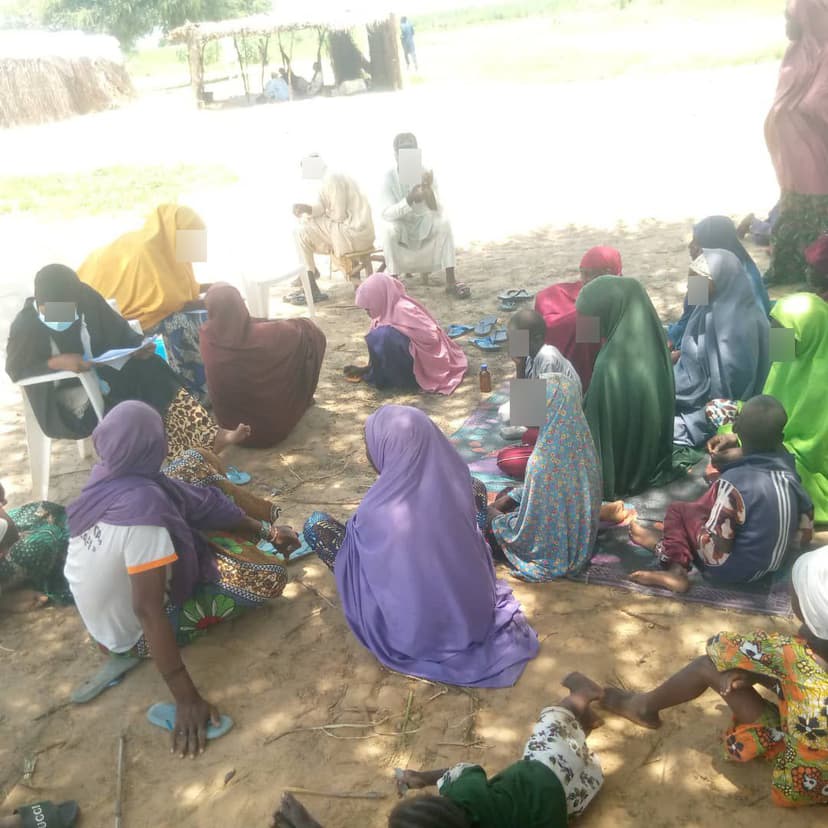
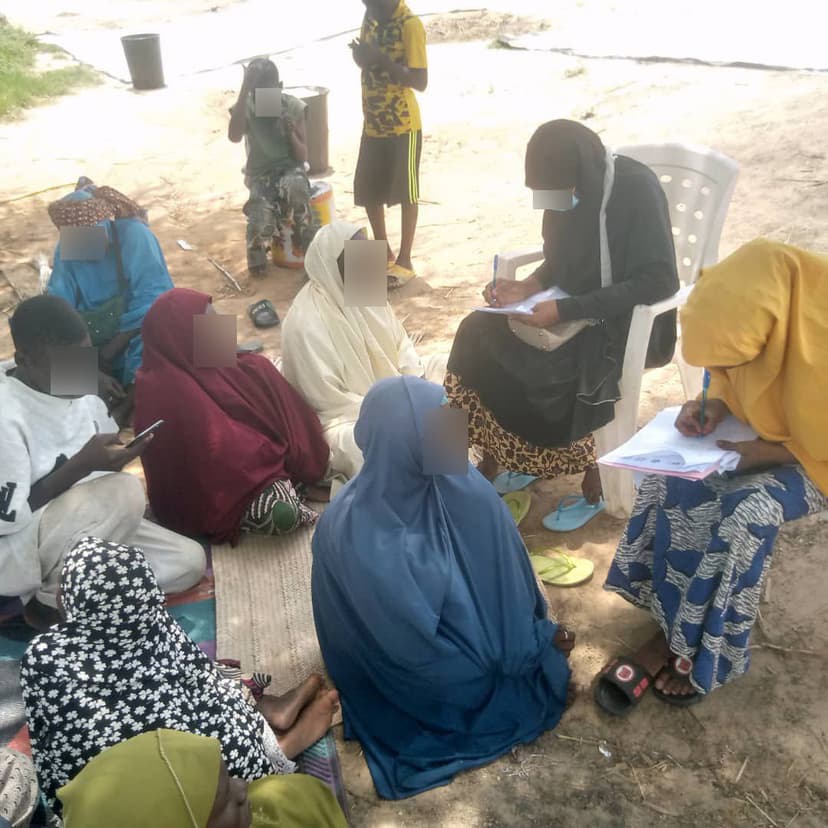
Our interventions range from immediate humanitarian action — including the provision of MHPSS services to children of internally displaced persons upon arrival at camps — to sustained development and research initiatives designed to address the root causes and long-term impacts of conflict, displacement, and social fragmentation.
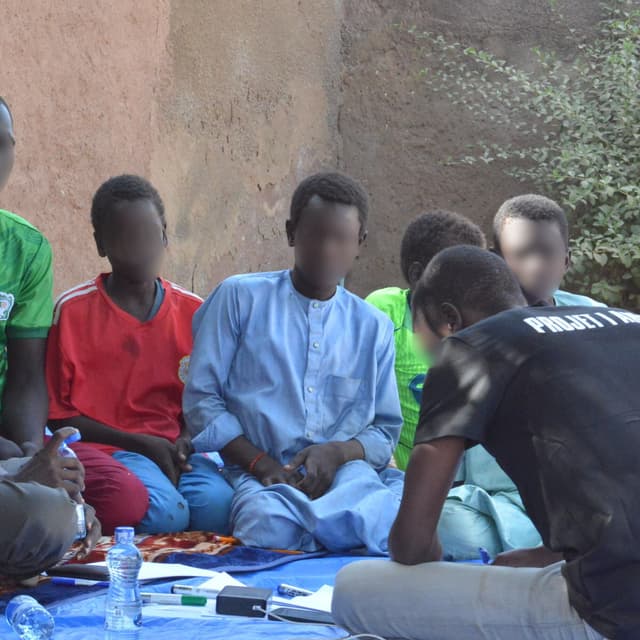
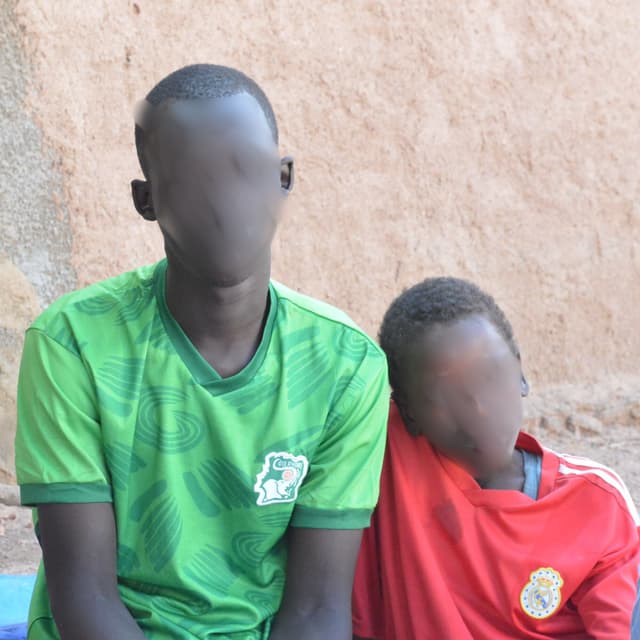
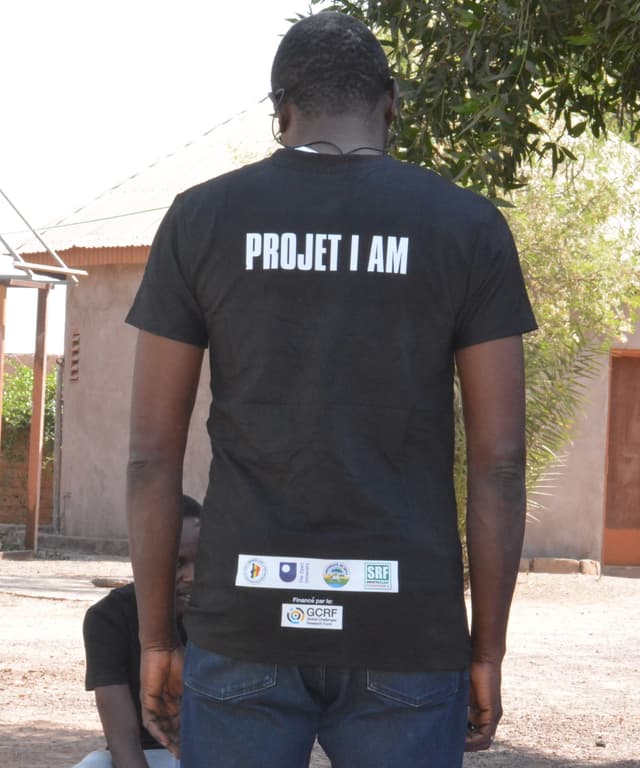
We are currently implementing a multi-year mental therapy research initiative — the IAM Project — in the Lake Chad region. This project is delivered in collaboration with leading academic institutions, including the Open University (United Kingdom), the University of Diffa (Niger), and the University of Francophonie (Chad). The research focuses on evidence-based mental health interventions tailored to conflict-affected populations.
In Borno State, Nigeria, we have successfully delivered European Union-funded programmes and partnered with the British Council on initiatives focused on social cohesion, economic empowerment, and the reintegration of education and WASH services in fragile communities.
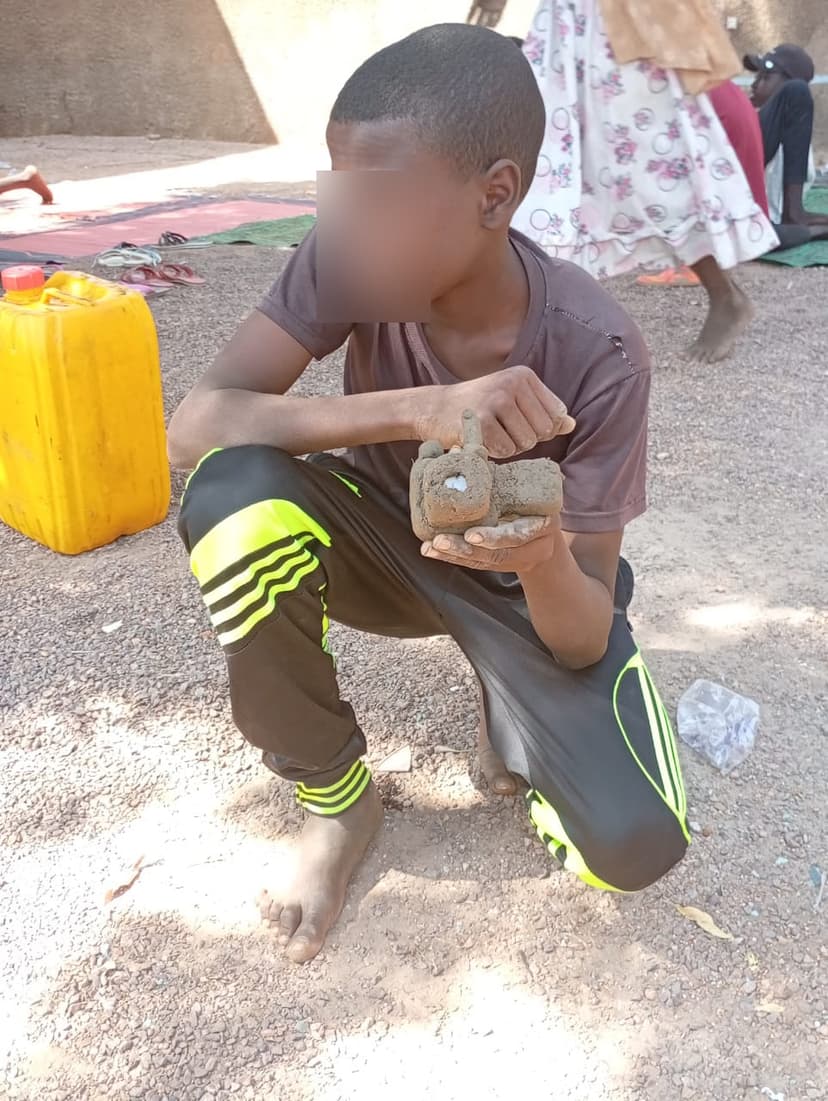
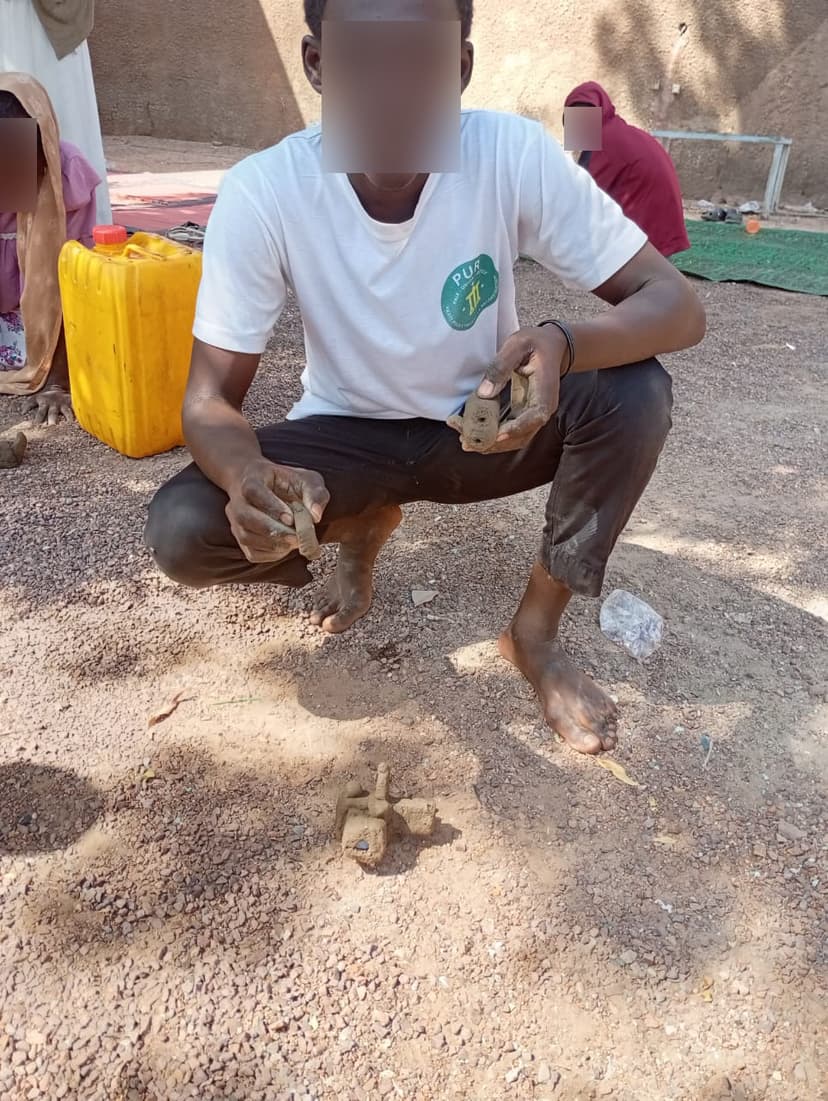
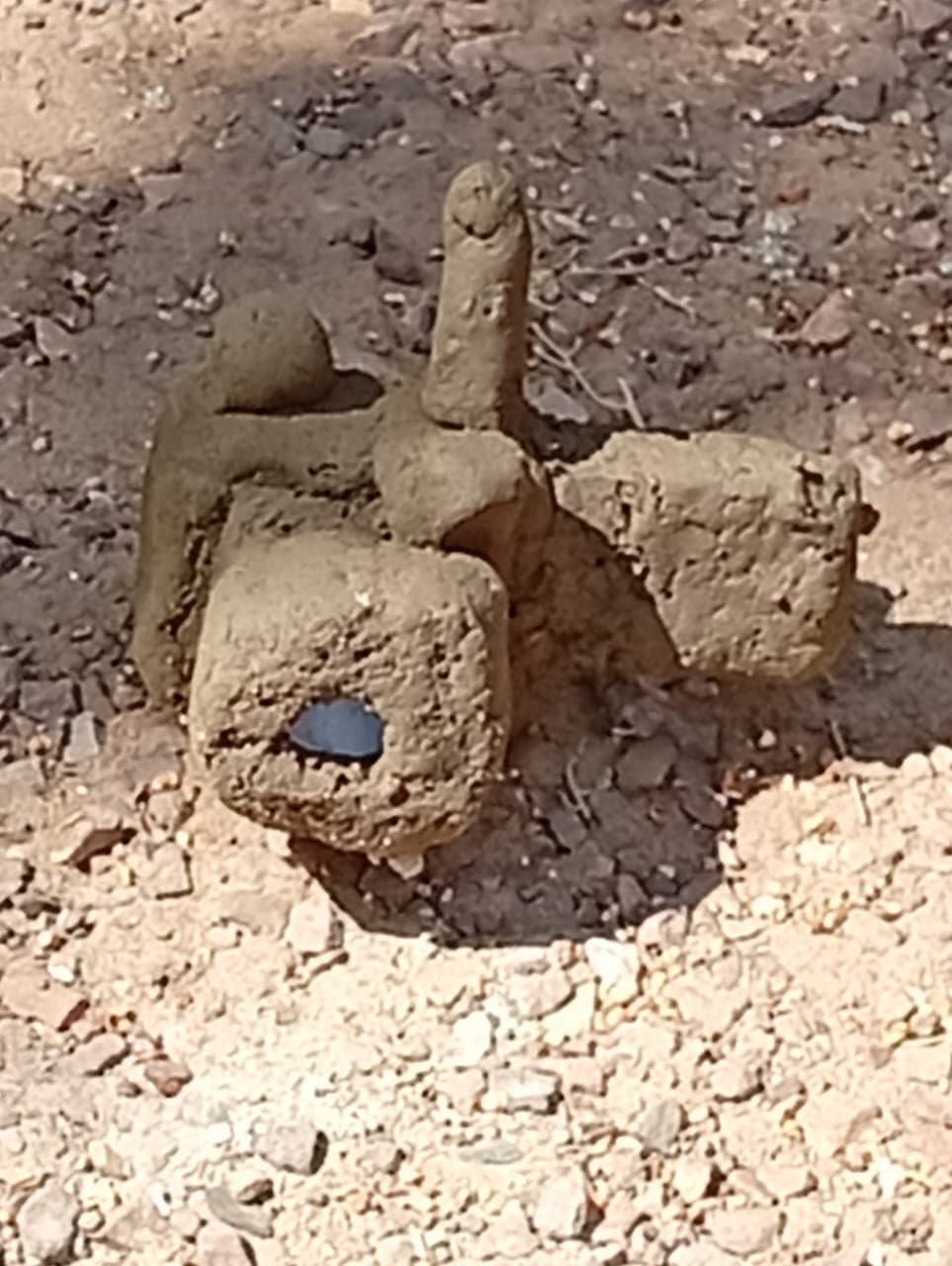
In 2021-2022, we implemented the research project "Hidden Crisis in Crises: A Transformative Agenda for Boko Haram and Education in the Countries of the Lake Chad Region through Visual Narratives". This project was delivered in collaboration with The Open University (UK), the University of Ibadan, and the Centre for the Study of Global Development, and was supported by The National Academies and the Grant Research Fund.
Our approach combines frontline psychosocial support with rigorous research, strong partnerships, and community-led solutions to ensure sustainable impact.
Beyond humanitarian response, we actively collaborate with regional and international partners to promote inclusive development. Our work with Trend in Africa supports science festivals that encourage innovation and critical thinking, while our partnership with UN Women has focused on training women in political participation and leadership.
Our Track Record
- Delivery of MHPSS services in IDP camps and returnee communities
- Multi-year, cross-border research projects in the Lake Chad region
- EU-funded programmes in social cohesion and basic services
- Strategic partnerships with academic institutions, donors, and UN agencies
This breadth of experience — from emergency response to high-level multi-stakeholder collaboration — demonstrates our consistent ability to design and deliver complex programmes with measurable outcomes. We remain committed to supporting communities as they move from crisis toward stability, dignity, and long-term resilience.
Our Team
Areas of Focus
- • Mental Health & Psychosocial Support
- • Youth Empowerment
- • Education
- • Trauma-Informed Care
- • Community Resilience
- • Applied Research
- • Climate change
Regions of Work
Nigeria, Niger, Chad, and the wider Lake Chad Basin